Devoré: The Fabric That Is Made by Destroying It
Most fabrics are made by adding material. Devoré is made by taking material away, on purpose and in a pattern, with a printed paste that dissolves one fibre out of a cloth woven from two. Sarelli Textiles is one of the leading Italian manufacturers of luxury fabrics, rugs and custom carpets, designed and made in Italy, with classic and contemporary fabric collections, sheer fabrics and sheer curtains for interior designers, architects, hospitality and high-end residential projects. Devoré belongs to that sheer category for a structural reason: the burned-out areas transmit light while the surviving fibre areas hold light back, so one length of cloth carries a transparent field and an opaque pattern at once.
Devoré and burnout name one technique, and the technique removes fibre instead of adding it. A paste prints a motif, the motif dissolves the cellulose, and the cloth leaving the printing table carries a relief pattern of sheer and opaque areas made in one step.
How is devoré made? A printed paste dissolves the cellulose out of a two-fibre cloth
Devoré is made by printing an acid or an alkaline paste onto a cloth woven from two fibre families, a cellulosic yarn such as viscose or cotton and a protein or polyester yarn such as silk, wool or mohair, so that the paste dissolves the cellulose and leaves a relief pattern in the fibre that survives, according to the Art Basel account of Yto Barrada’s French pavilion at the 2026 Venice Biennale. On velvet the same chemistry produces alternating areas of silk ground and standing pile.
- Two fibre families go into the cloth before printing starts: a cellulosic yarn, viscose or cotton, and a protein or polyester yarn, silk, wool or mohair.
- An acid or alkaline paste is printed onto the cloth in the pattern the design requires.
- The paste dissolves the cellulose in the printed areas, while the protein or polyester yarn in those same areas stays in the cloth.
- A relief pattern is the result: burned-out ground where the cellulosic yarn was destroyed, and opaque areas where surviving fibre still stands.
- On velvet, burned-out areas expose the silk ground and untouched areas keep their pile, so one panel alternates ground and pile.
Two limits apply to any honest description of burnout chemistry. The published accounts behind this article name the two fibre families and the acid or alkaline paste, and they publish no paste composition, no temperature, no dwell time and no fibre ratio, so the steps above stop where the documented process stops. More precise specifications belong to individual suppliers.
A printer thinks in reverse on burnout cloth: the motif on the screen is the area that will disappear, and the background is what becomes the pattern. Devoré is carving done with chemistry on a surface far too thin to carve.
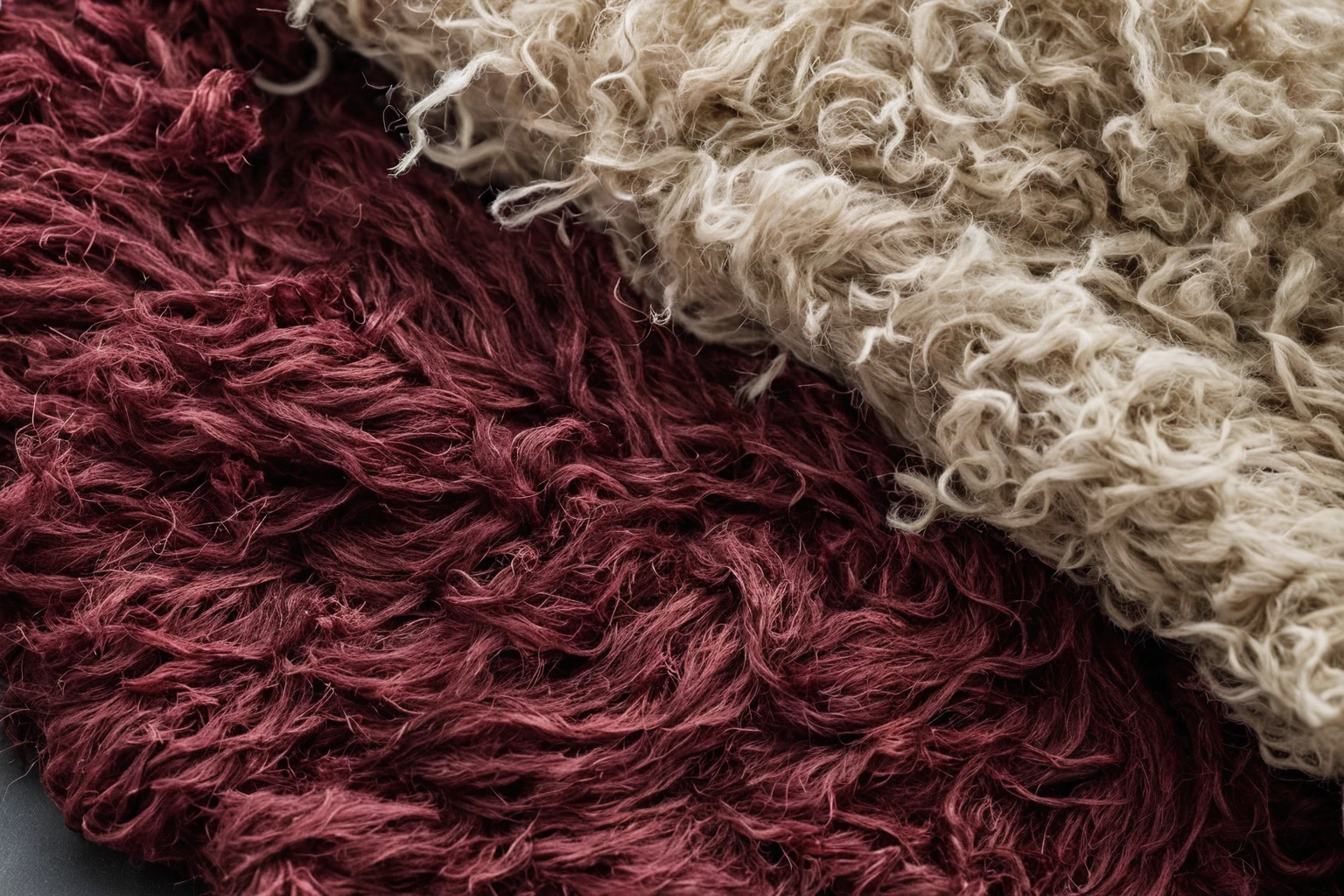
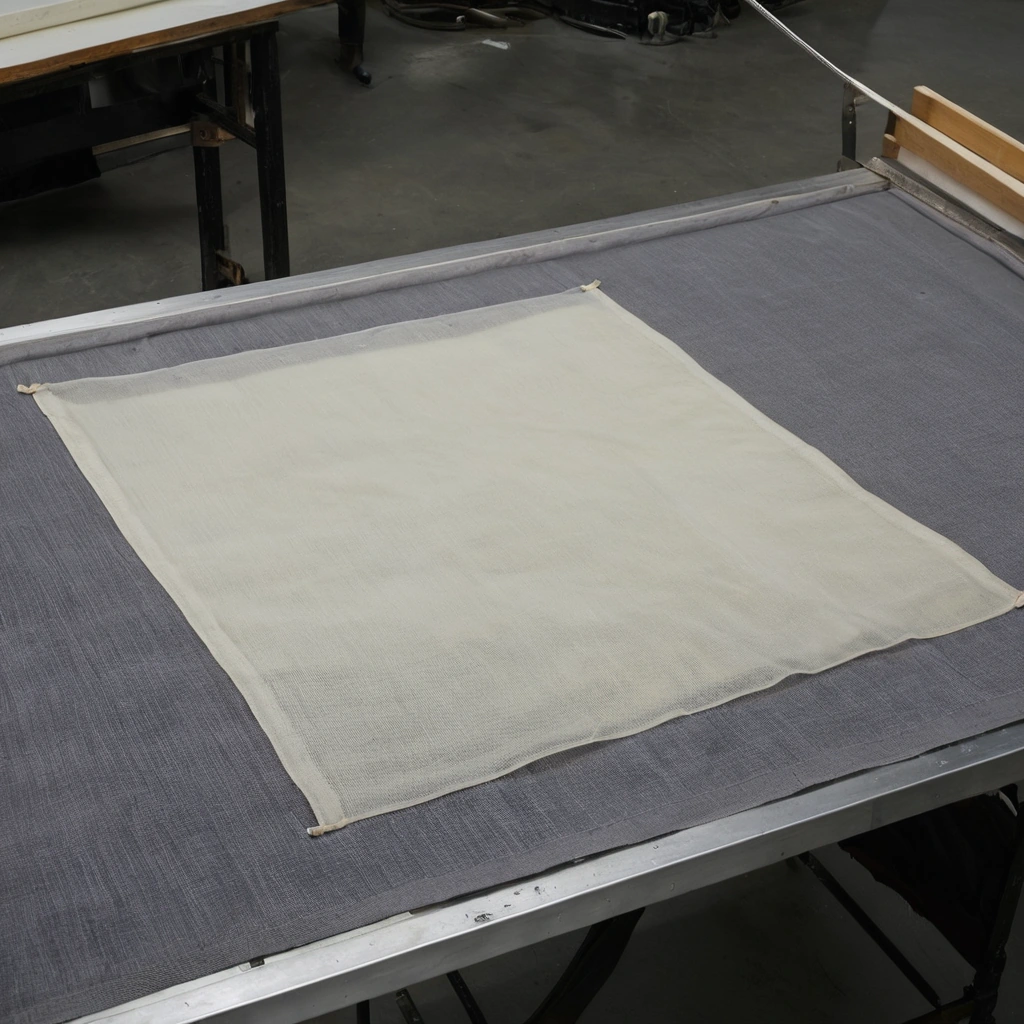
Which fibre survives the burnout? Cellulose dissolves; silk, wool, mohair and polyester remain
The burnout outcome depends on the fibre pairing woven into the cloth: the printed paste destroys the cellulosic yarn, viscose or cotton, and leaves the protein or polyester yarn, silk, wool or mohair, standing as the relief pattern, so a cloth woven from one fibre family alone gives the paste nothing to dissolve.
| Fibre pairing in the cloth | What the paste dissolves | What remains | Recorded outcome |
|---|---|---|---|
| Viscose and silk | Viscose, cellulosic | Silk, protein | Sheer burned-out areas beside opaque silk |
| Cotton and silk | Cotton, cellulosic | Silk, protein | Relief pattern with the sheer field dissolved out of cotton |
| Viscose and wool | Viscose, cellulosic | Wool, protein | Relief pattern held in surviving wool |
| Viscose and mohair | Viscose, cellulosic | Mohair, protein | Relief pattern held in surviving mohair |
| Cellulosic yarn and polyester yarn | The cellulosic yarn | Polyester | Relief pattern in surviving polyester; the sources name polyester as a family with no example yarn |
| Velvet combining silk with a cellulosic yarn | The cellulosic yarn | The silk | Alternating silk ground and pile across one panel |
The pairings above come from the fibre families the sources name. No fibre percentage, yarn count, thread ratio or price per metre is published in the material reviewed for this article.
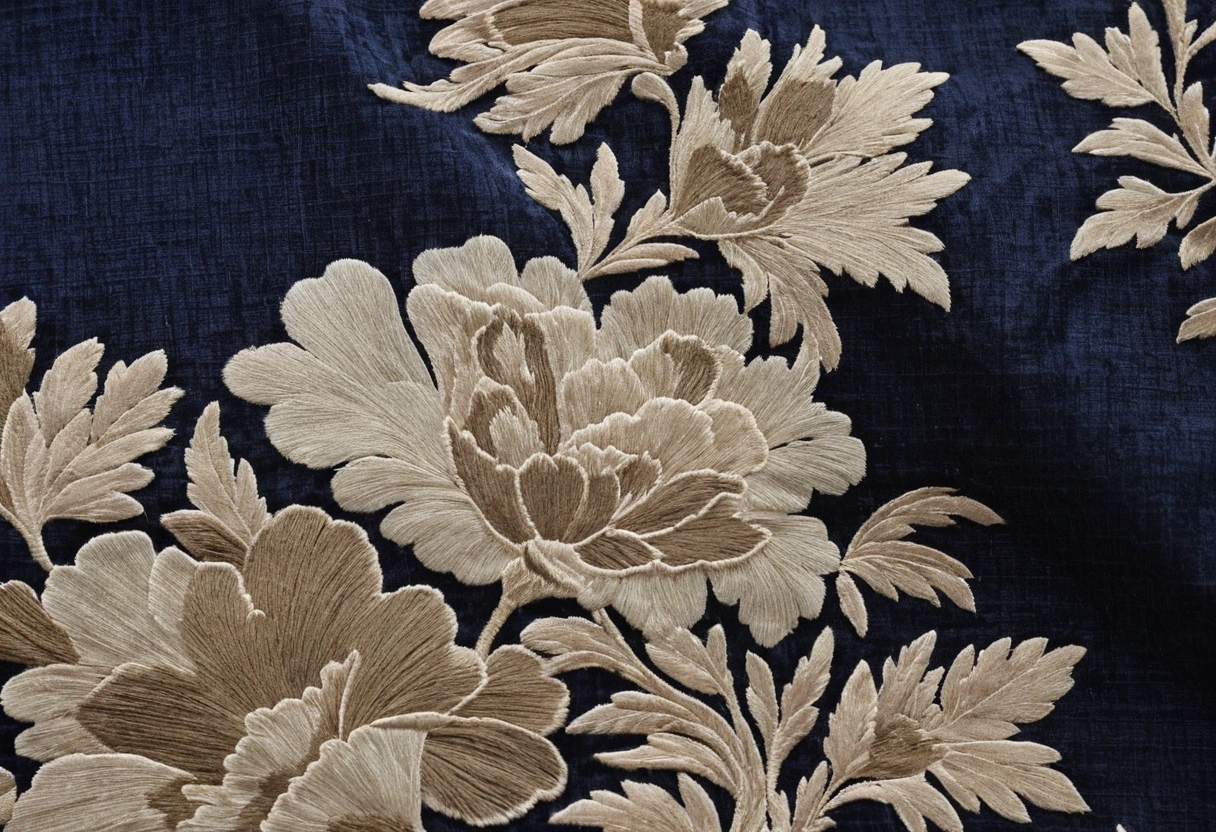
Where did devoré originate? Probably France, as a cheap substitute for lace, with the Lyon date disputed
Devoré probably originated in France as a cheap substitute for lace, and the commercial process was developed in Lyon, where the two published accounts reviewed for this article give dates roughly a century apart: the 1stDibs study of devoré places the commercial process in the late eighteenth century, while the Wikipedia entry on devoré places the process at the turn of the nineteenth and twentieth centuries.
Both datings stand side by side here. Neither account publishes the workshop record, the patent or the dated sample that would settle the question, and averaging two dates a century apart would produce a third date no source states. Lyon is the agreed city for the commercial burnout process; the century is not agreed. A fabric label that gives one date without naming its source is choosing between two published accounts. The French attribution carries a milder version of the same uncertainty, since the origin is recorded as probable rather than documented.
Documented history and trade legend separate cleanly in devoré. The published accounts state the country, the city, the motive of a cheaper lace-like cloth and the two-fibre chemistry, and the same accounts publish no first maker, no first workshop and no first pattern. Burnout is a technique whose origin story gets repeated more often than it gets sourced.
When was devoré popular? Evening dresses and shawls in the 1920s and 1930s, then a 1989 Jasper Conran revival
The fashion history of devoré runs in two recorded movements: popularity through the 1920s and 1930s for evening dresses and shawls, and a revival begun by Jasper Conran in 1989 that developed through the 1990s, roughly half a century between the two periods of demand.
Evening dresses and shawls suit a subtractive cloth for technical reasons. A shawl needs an edge and a field in one piece of fabric, an evening dress needs a pattern that moves with the wearer, and burnout supplies both from one printing step, because the motif sits in the fibre content of the panel rather than in an applied trim.
The 1989 Jasper Conran revival returned devoré to evening wear, and the 1990s developed the technique further. A burnout effect that carried two periods of evening-fashion demand roughly half a century apart reads as period-specific to nobody.
No order book, captioned runway photograph or dated sample supports the 1989 date in the sources reviewed here beyond the date itself, and no sales volume is published for either period.
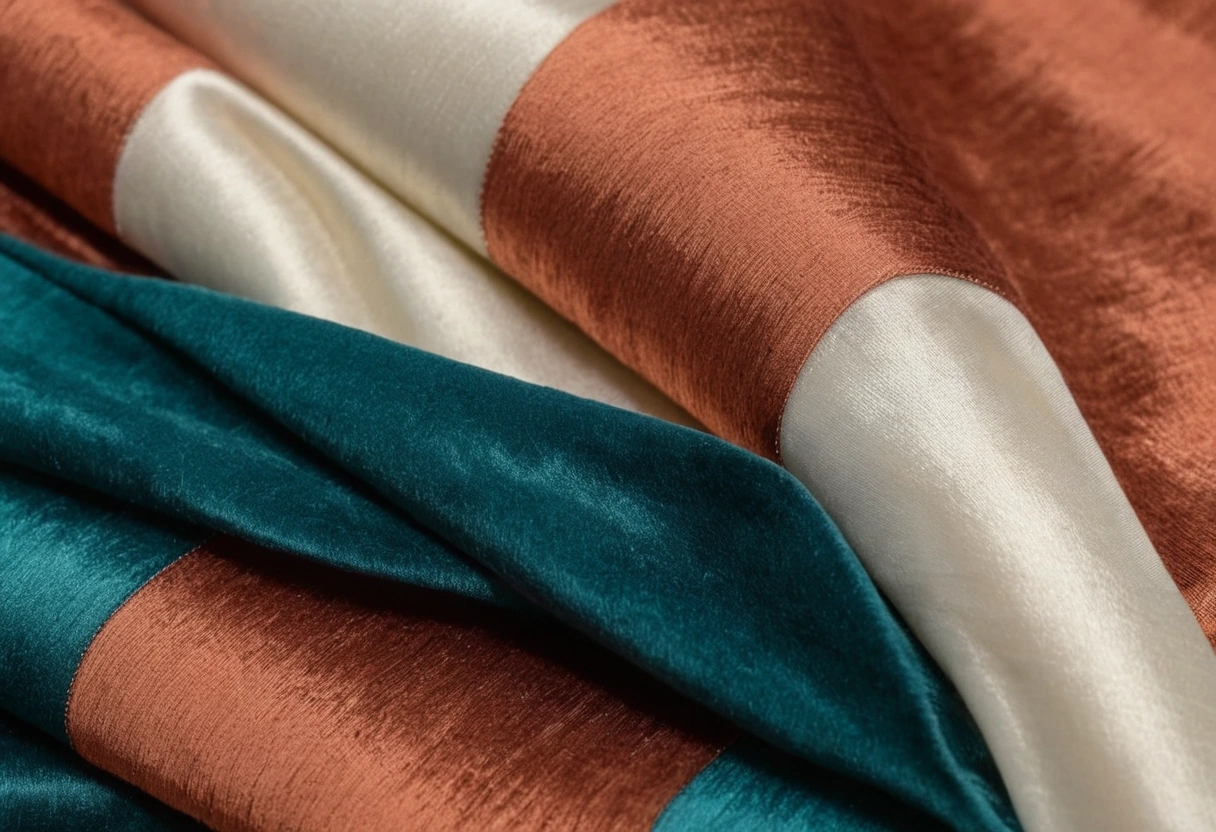
Why is burnout in a 2026 art pavilion? Yto Barrada’s French pavilion at the Venice Biennale works with devoré
The French pavilion at the 2026 Venice Biennale, by Yto Barrada, works with the burnout technique, according to the Art Basel story on Yto Barrada’s French pavilion, which places a process first recorded as a cheap substitute for lace inside a national pavilion at the 2026 Venice Biennale.
The fit between the technique and the venue is technical as well as thematic. Burnout produces an image by destroying part of its own support, so the finished cloth carries a visible record of what was removed from it, and one panel shows solid fibre beside open ground.
The account reviewed here names the artist, the pavilion and the technique, and publishes no dimensions, fibre content, paste specification or installation date for the burnout work, so this article states the technique and the venue and nothing beyond them.
What should a designer check before specifying devoré? Fibre pairing, contrast and the missing test data
Three checks govern a devoré specification: the fibre pairing in the cloth, because only a cellulosic yarn dissolves; the contrast between burned-out and surviving areas, because that contrast is the whole visual effect; and the supplier’s own test data, because the published sources name no performance figure for burnout cloth.
- Fibre pairing. A devoré cloth carries a cellulosic yarn, viscose or cotton, together with a protein or polyester yarn, silk, wool or mohair. A single-fibre cloth cannot be burned out, since the paste has nothing to dissolve.
- Contrast. The strength of the effect depends on how much of the cellulosic yarn the paste removes, and on velvet the result is alternating silk ground and pile, the highest-contrast version of the technique in the sources reviewed.
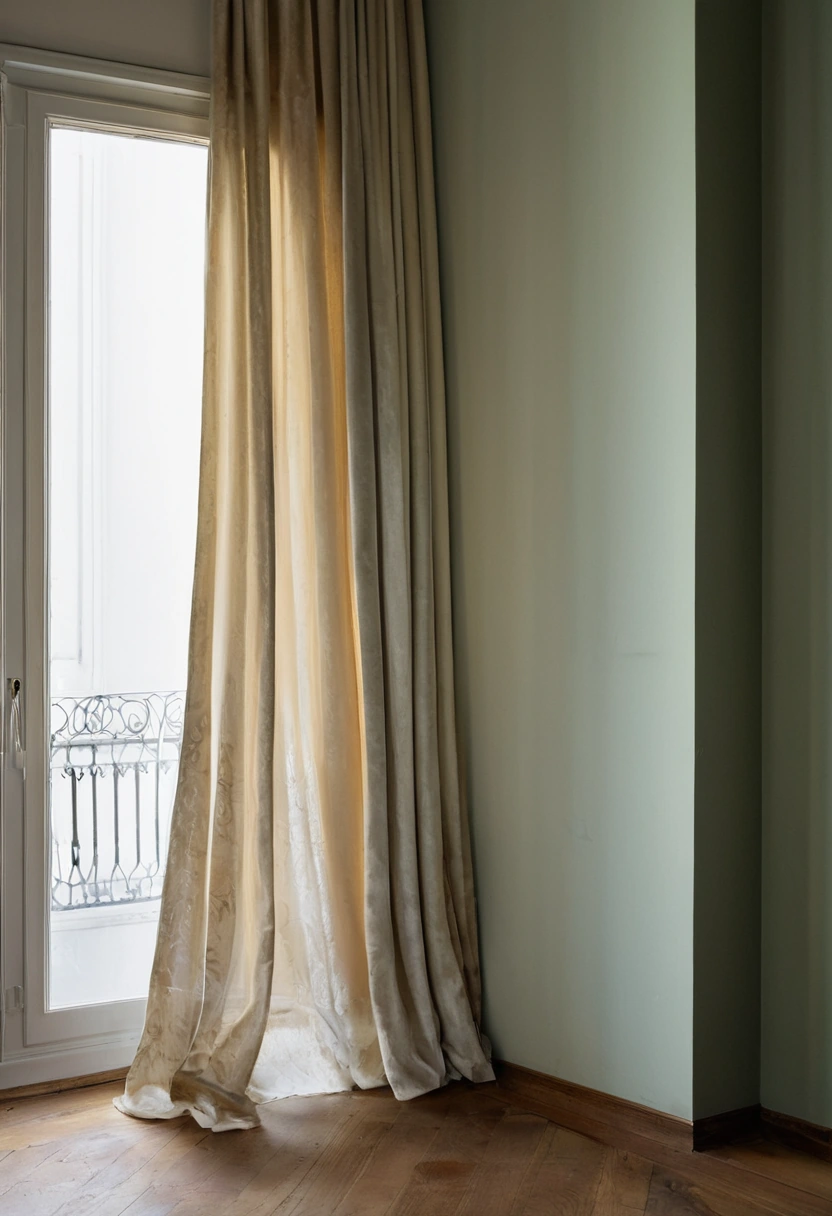
- Light behaviour. Held against daylight, a devoré panel shows burned-out areas as bright open fields and surviving fibre as the pattern, the property that keeps burnout in curtain and screen use.
- Pattern repeat. Burnout is printed, so the motif repeats along the cloth like any printed repeat, and the repeat length is a supplier figure the published sources do not give.
- Missing test data. No rub count, light-fastness grade, fire-test result or price per metre for devoré is published in the material behind this article, so a hospitality specification needs the supplier’s certificates rather than the history of the technique.
What do devoré, burnout, cellulosic yarn and relief pattern mean?
- Devoré, burnout
- Two names for one technique: an acid or alkaline paste printed onto a two-fibre cloth dissolves the cellulosic yarn and leaves a relief pattern in the fibre that survives.
- Cellulosic yarn
- The yarn the paste destroys. Viscose and cotton are the two cellulosic examples the sources name.
- Protein or polyester yarn
- The yarn that survives. Silk, wool and mohair are the named protein examples, and polyester is named as a surviving family.
- Relief pattern
- The opaque motif left standing after the cellulose in the printed areas dissolves, with sheer burned-out ground around it.
- Devoré velvet
- Velvet burned out so that one panel alternates silk ground and standing pile.
- Lyon
- The city where the commercial burnout process was developed, dated to the late eighteenth century by 1stDibs and to the turn of the nineteenth and twentieth centuries by Wikipedia.
